
The Room Is the Same.
The Photographs Are Not.
What happens when you photograph the same challenging event venue with available light versus thoughtfully controlled lighting? The differences go far beyond brightness.
A photograph can be sharp, properly exposed, and still look unflattering. Skin tones can drift orange or magenta. Dark clothing can lose its detail. Faces can blend into their surroundings, and a beautiful venue can suddenly look far less sophisticated than it does in person.
One of the most important skills in professional event photography is knowing how to control light when the environment is working against you.
This event, The Energy Capital Boom, was a particularly good example. The room had attractive architectural character, but nearly every element of the space introduced an additional photographic challenge. Below are six photographs from that environment illustrating what changes when the lighting is approached deliberately.
A beautiful venue isn't always an easy venue.
This room had the warmth and texture that make an event space appealing. Those same qualities made photographing it considerably more complicated.
Very little room to shape light
Low ceilings, exposed structural elements, and lighting fixtures restricted how effectively light could be redirected without introducing unwanted shadows or uneven illumination.
Red brick and warm ambient light
The surrounding brick reflected warm tones into the room, while overhead lighting and bright presentation screens introduced competing color temperatures. Natural skin tones became particularly difficult to preserve.
Limited space to work
With attendees seated closely together, photography had to be accomplished from a small number of positions. There was very little opportunity to adjust angles or introduce equipment without disturbing the audience.
The difference is in the light.
These comparisons show available-light photographs alongside my work from the same venue. They capture different moments, but illustrate how controlled lighting influences color, clarity, dimensionality, and the overall presentation of an event.
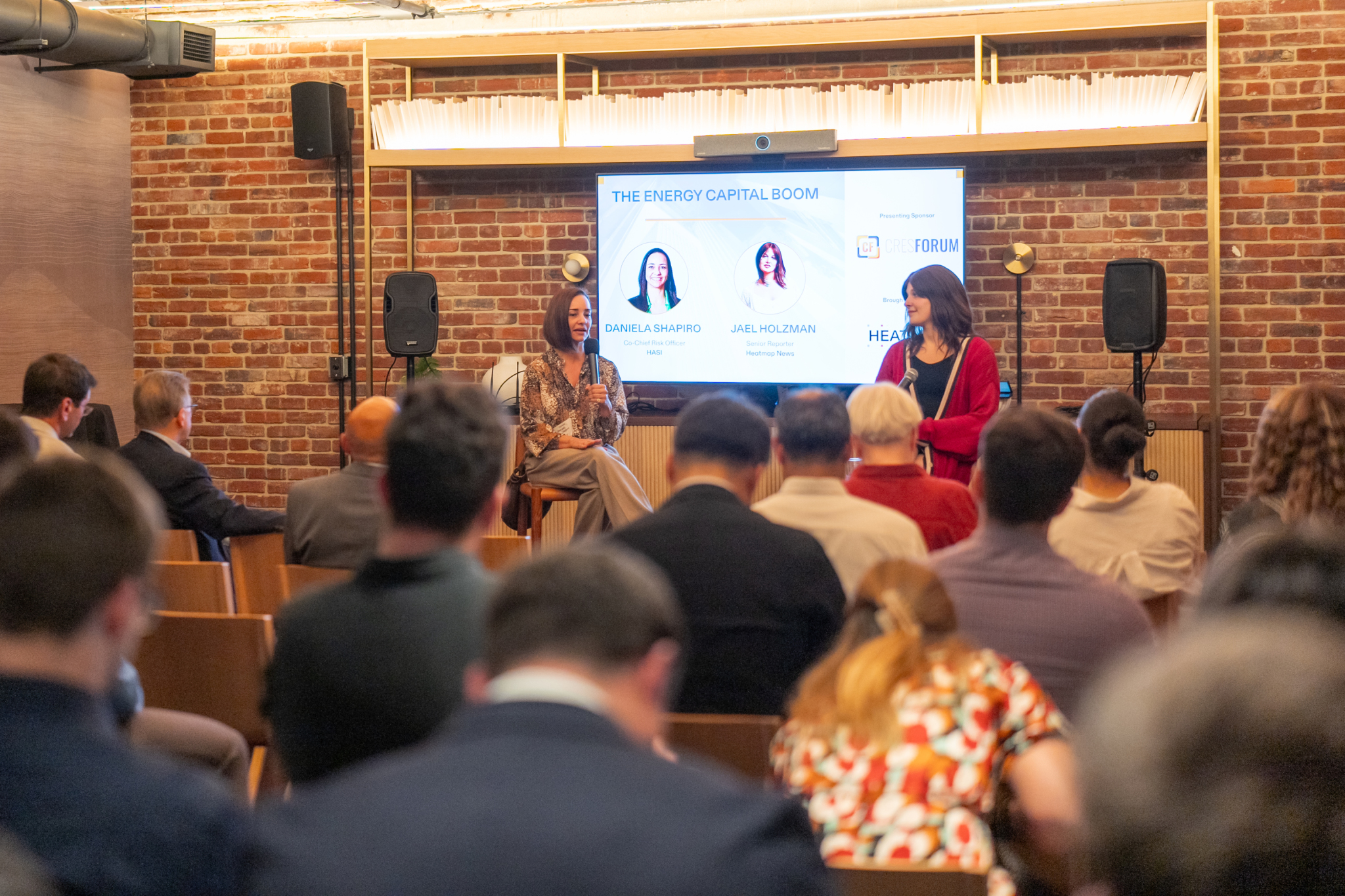
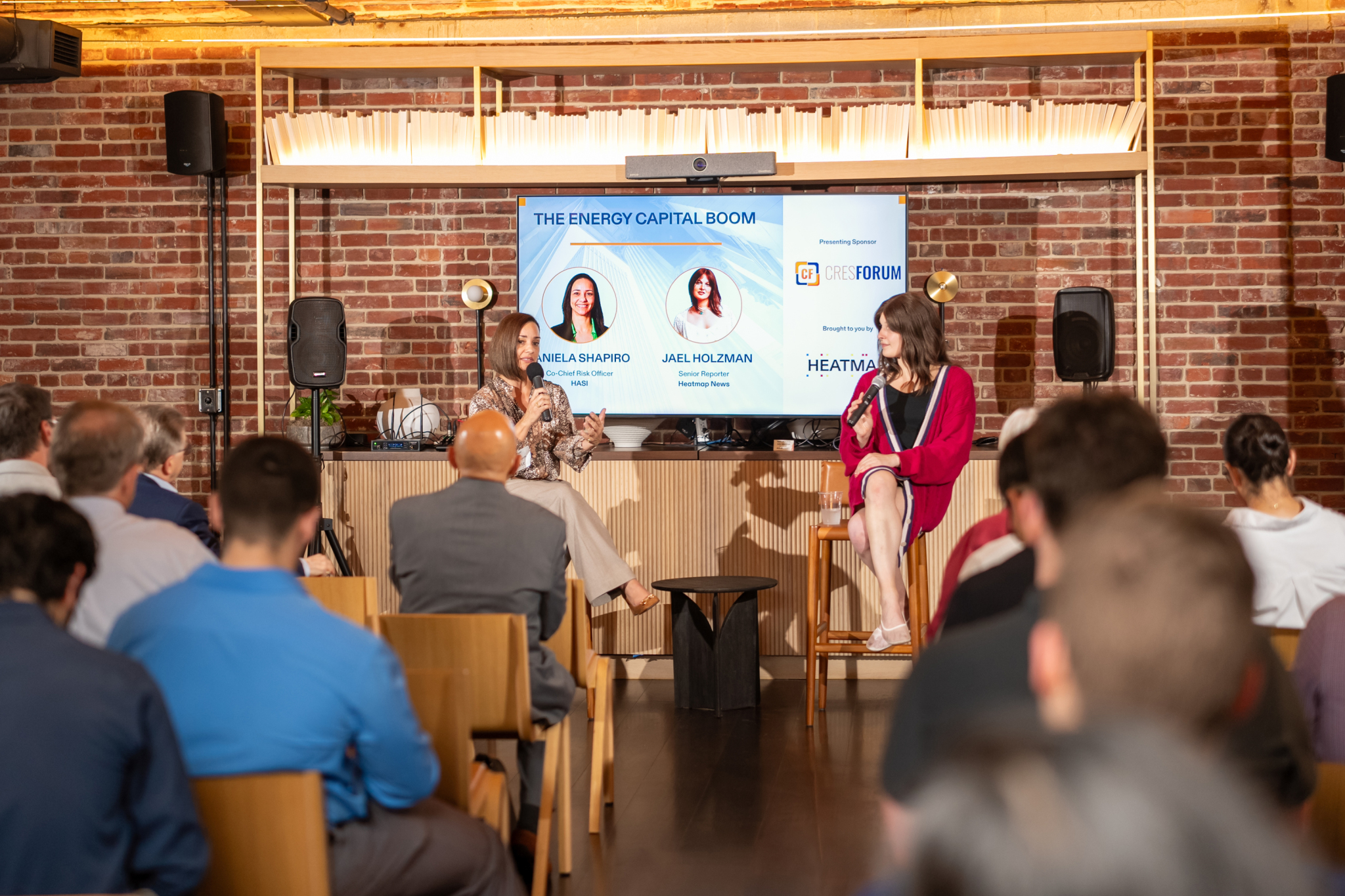
Making the whole environment look more sophisticated
The venue's existing light was sufficient to record what was happening, but it did not illuminate the scene consistently. Warm reflected color, dark foregrounds, and uneven exposure competed for attention. With controlled lighting, the speakers become more distinct, clothing and skin tones gain clarity, and the scene feels more intentional. The architectural character of the room remains, but it no longer dictates the quality of the photograph.
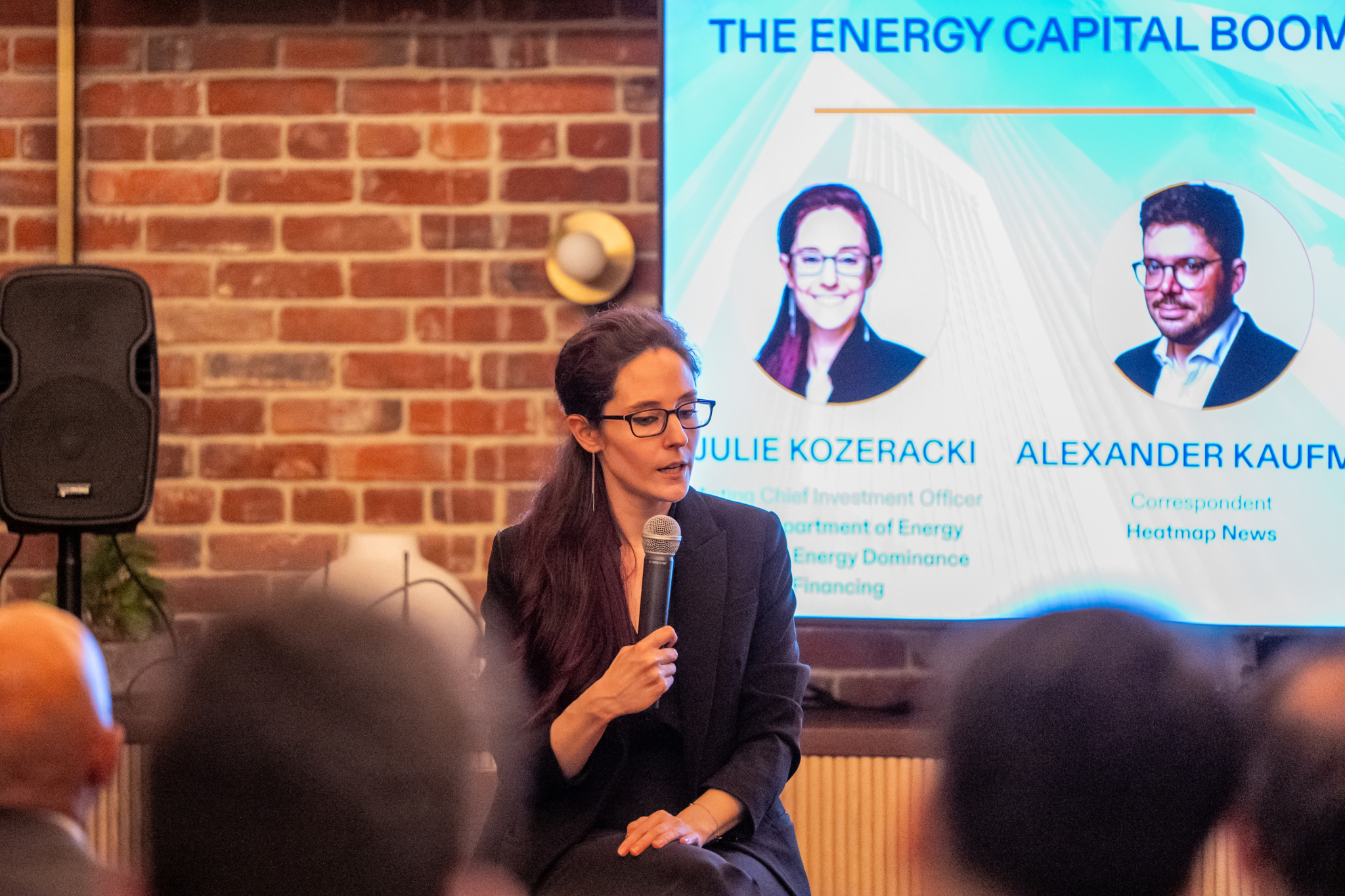

Skin tones shouldn't be determined by the projector
Presentation screens are often much brighter and cooler than the room around them. That light can make faces appear blue, magenta, or washed out, especially when combined with warm overhead fixtures. By introducing a more consistent source of illumination, I can reduce these distracting color shifts and preserve a more flattering appearance, while retaining enough ambient exposure to show the context of the event.
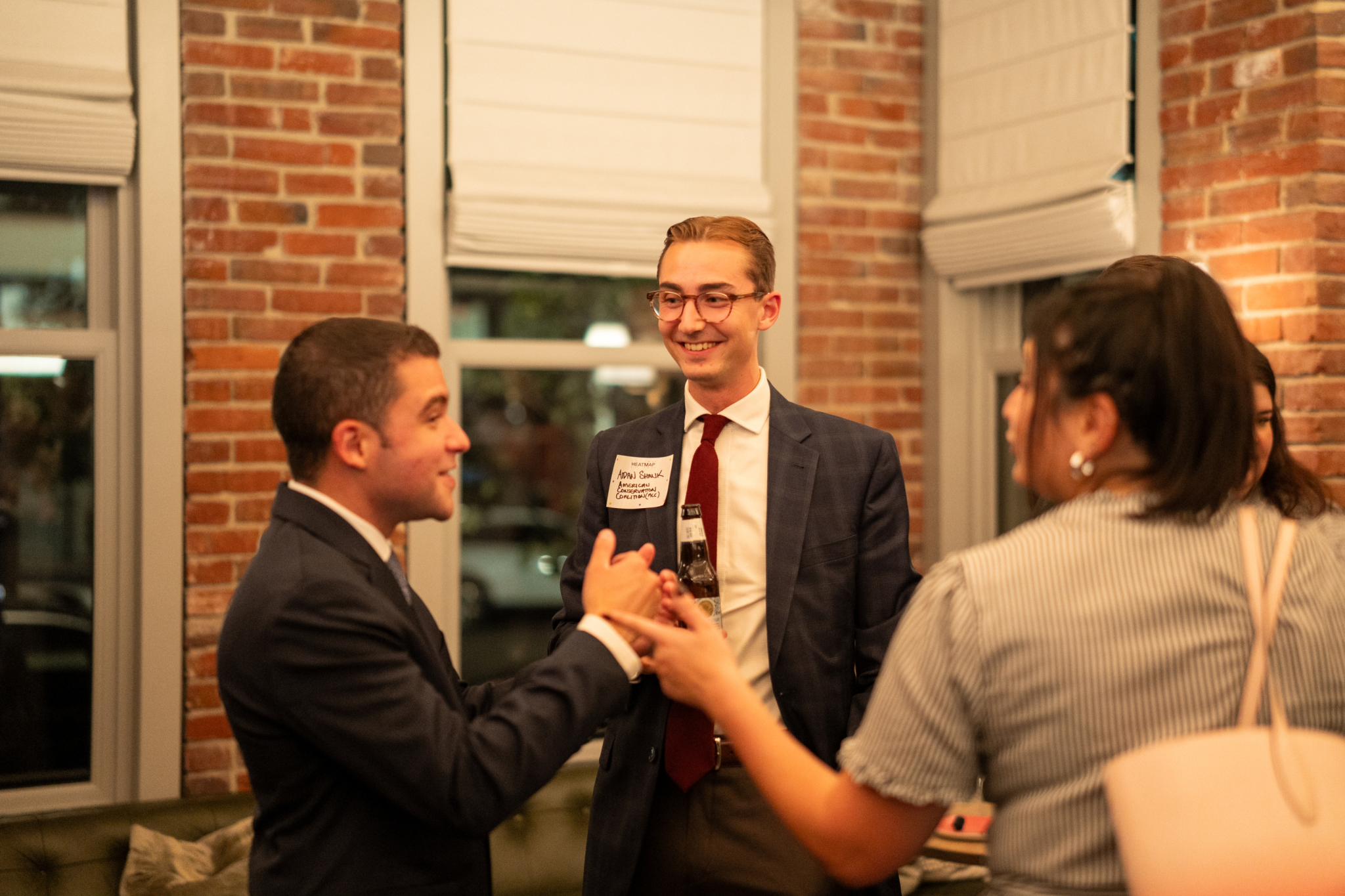
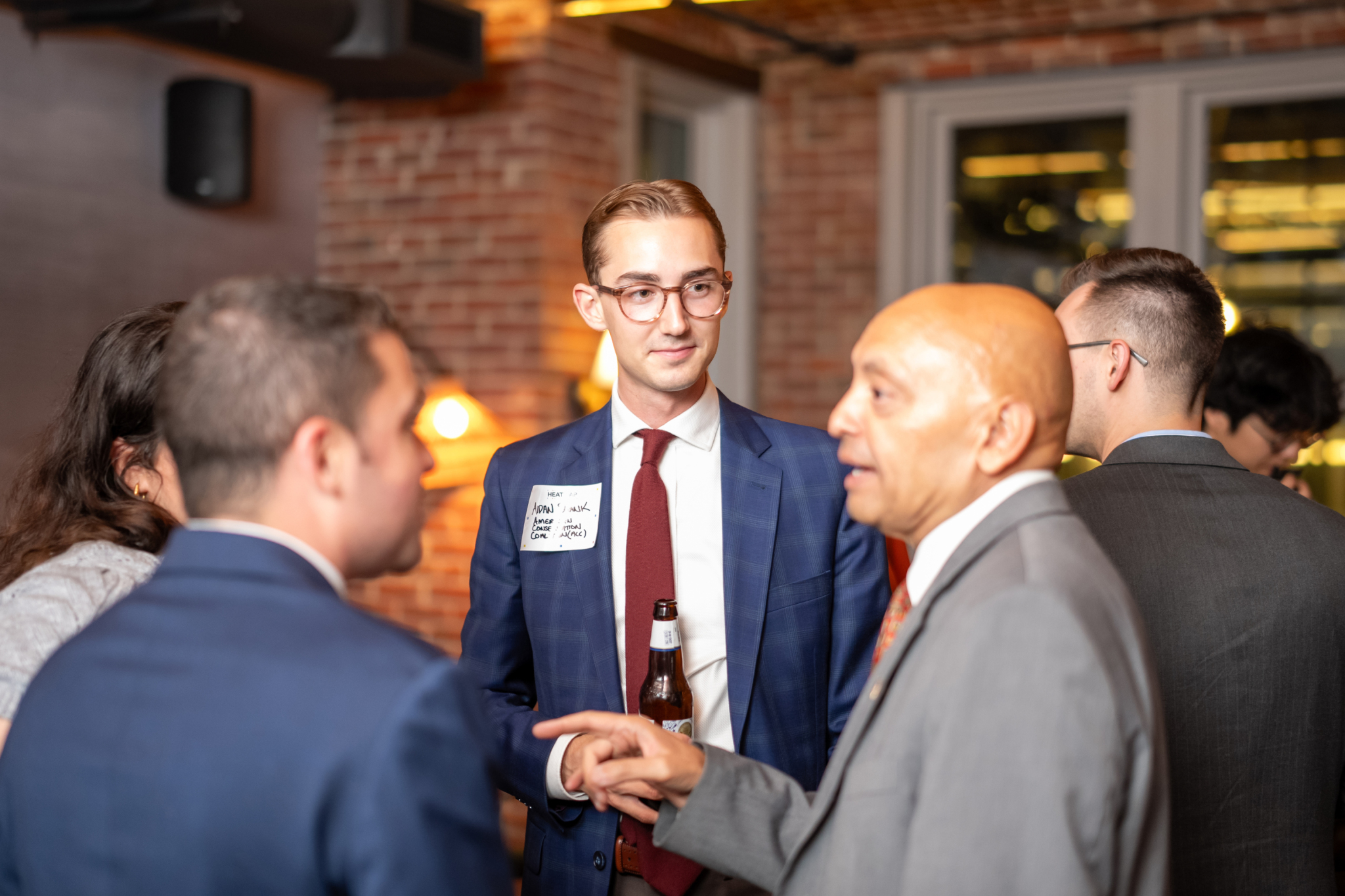
Making people look their best in an imperfect room
Networking photography introduces its own challenges. People are constantly moving, expressions change quickly, and there is rarely time to reposition anyone for a more flattering angle. Poor ambient lighting can exaggerate those difficulties, producing orange skin, muddy shadows, and little separation between people and their backgrounds. Thoughtful lighting helps maintain natural-looking complexions, stronger definition, and richer clothing colors while allowing conversations to unfold without interruption.
Good lighting isn't about making everything brighter. It's about making everything look better.
Better skin tones. More accurate colors. Greater separation between people and their surroundings. Stronger detail in clothing and faces. These are the qualities that elevate event photography beyond simply documenting who attended.
A difficult venue should not mean compromising the quality of the photographs. Understanding the light, adapting to the space, and maintaining a consistent visual standard are part of the work.
Your venue doesn't need to be perfect.
From intimate discussions to large-scale conferences, I photograph events in all kinds of environments. The circumstances change; the standard doesn't.
Discuss Your Event